Detached Building

Detached Golf Simulator Buildings.

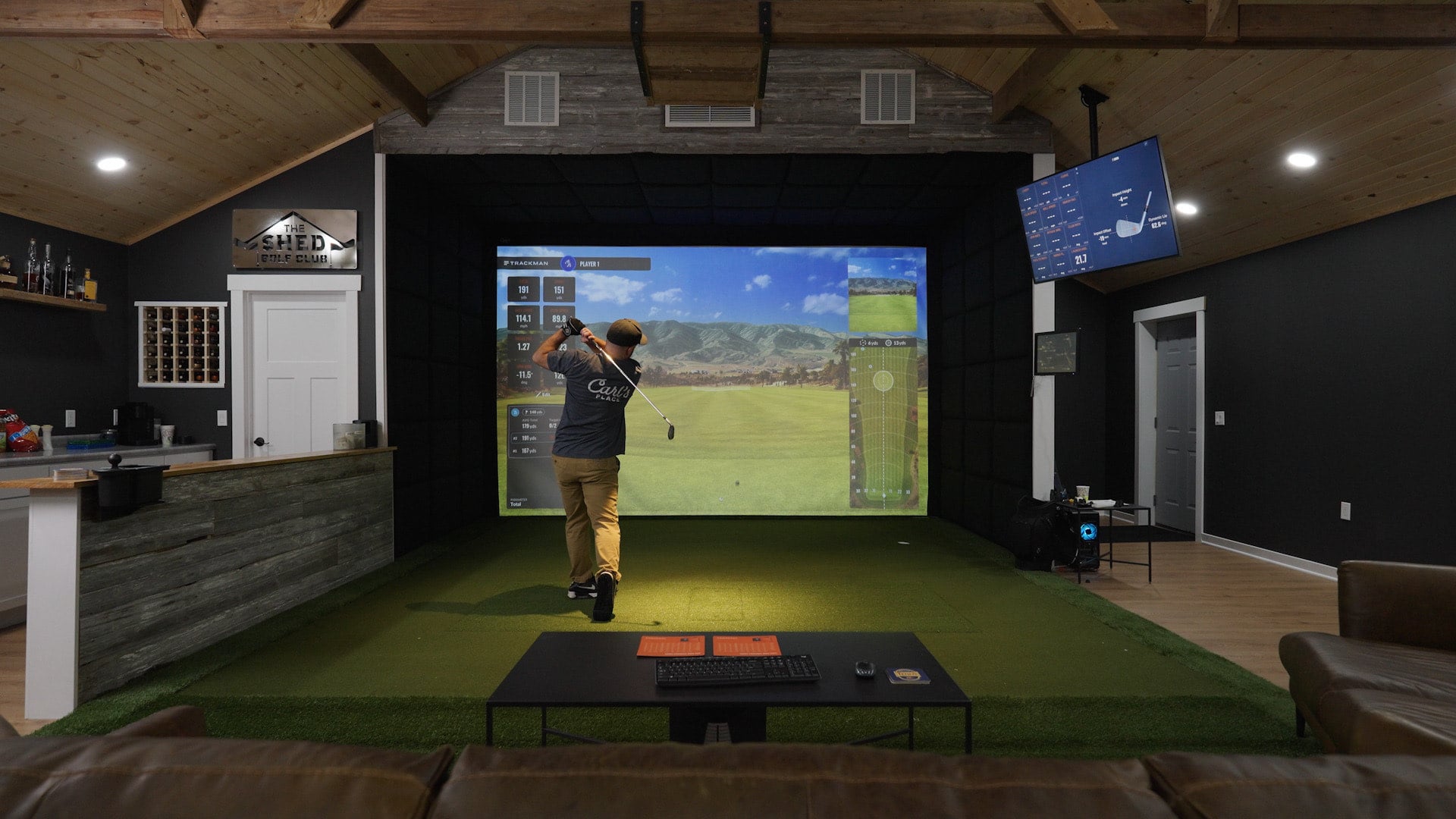
A new, free-standing structure built on your property — slab, shell, utilities, and finish, with a simulator bay at its center. Not a kit dropped in the yard and not a converted shed: a real building, designed and built from the ground up by the crew that framed and finished our own five-bay club.

This is the version where you don't have the interior space — or you want the bay separate from the house entirely. We pour the foundation, frame and finish the shell to match your home, run power, climate, and data out to it, and build the room inside. It can be a single-bay golf building, or a multi-use accessory building — a lounge, bar, office, or guest space with the bay as the centerpiece. Site review, permits, build, calibration. That's the order, and we handle all of it.

  • A new, free-standing structure built on your property — slab, shell, and finish, not a kit or a tent
  • Power, heat, and AC run out to it as part of the job — a real building, not an unconditioned shed
  • Built by a 30-year construction and remodeling team — the whole structure, not just the bay inside it

30 years in KC construction · 5 bays we built ourselves · one team, accountable start to finish

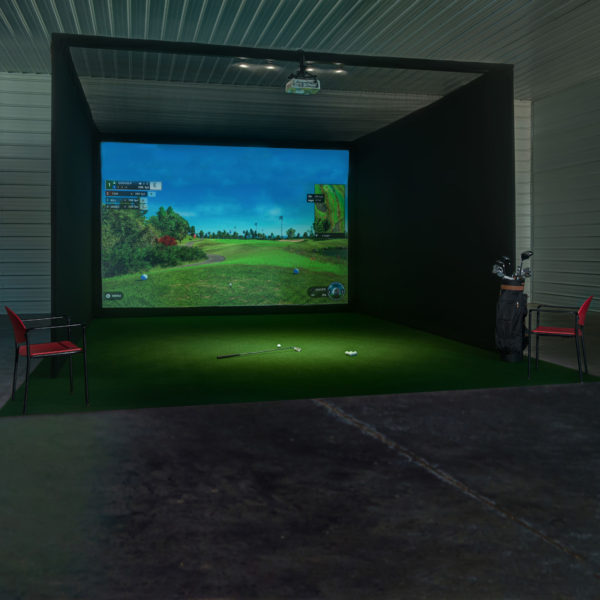
Finished detached golf simulator building in a Kansas City backyard with siding matched to the main house

Why a Building of Its Own

When the room you want isn't inside the house.

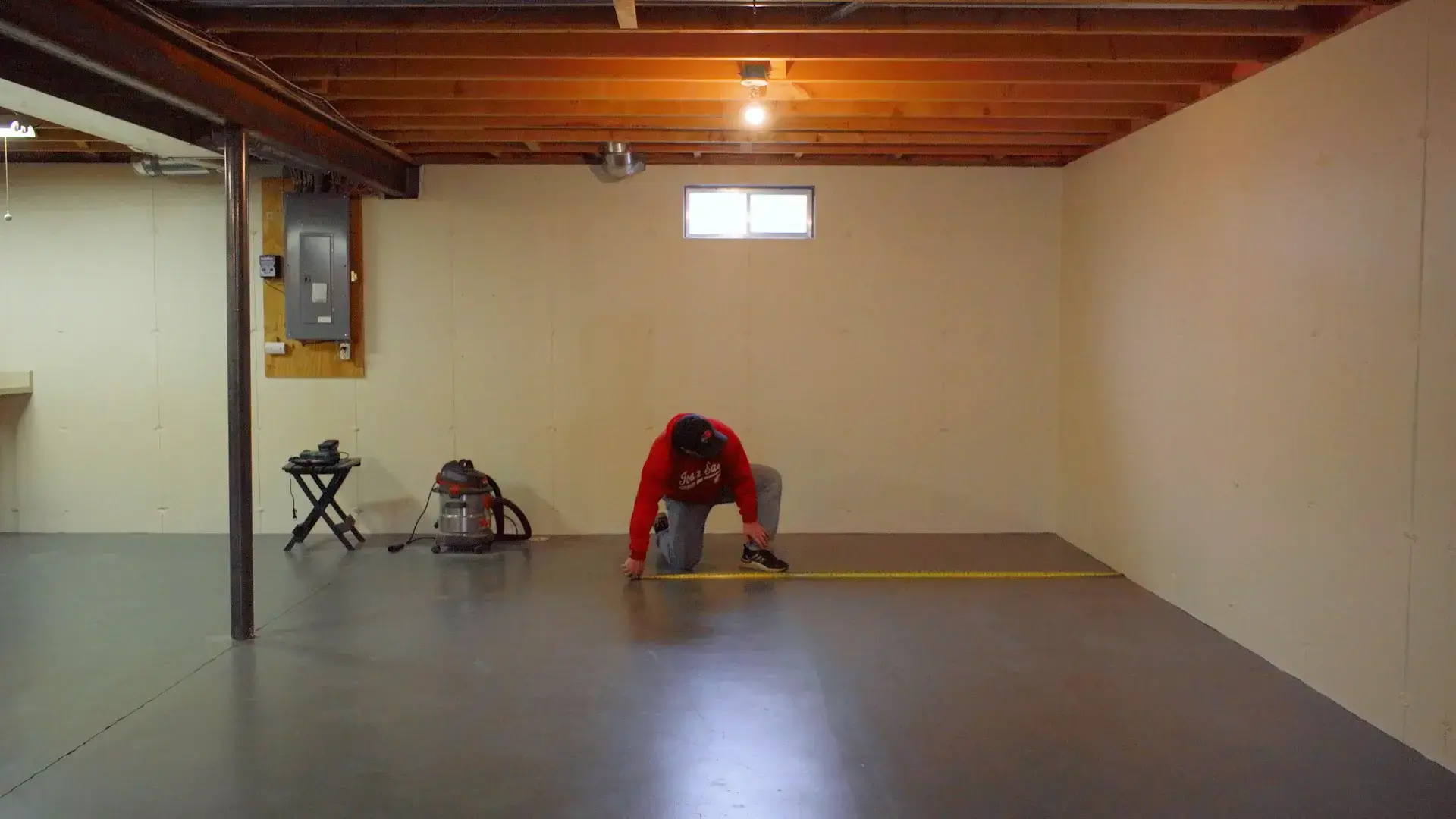
Sometimes there's no basement with the ceiling height, no garage to give up, and no remodel that gets you the space — but there's a spot on the property where a building could go. That's when a detached structure makes sense. The catch is that the internet's answer to it is a prefab kit or a metal shed: a bare shell with no power, no insulation, no heat, and no permit. In Kansas City that's a room you can use maybe four months a year. A building you actually use means a slab, a real shell, utilities run out to it, and climate inside — and that's construction, which is the part the kit can't sell you.

A kit gives you a box in the yard. We give you a building.

Buy a prefab kit or shed, sort the rest out yourself

  • A bare structure arrives; power, heat, and the slab are your problem
  • Unconditioned and uninsulated — unusable half the Kansas City year
  • No one owns the permitting, the trenching, or whether it reads as part of your home

A detached building, built from the slab up

  • We pull the permits and build the whole structure, foundation to finish
  • Power, HVAC, and data run out to it as part of one scope
  • Siding and trim matched to the main house, with the bay framed for full clearance
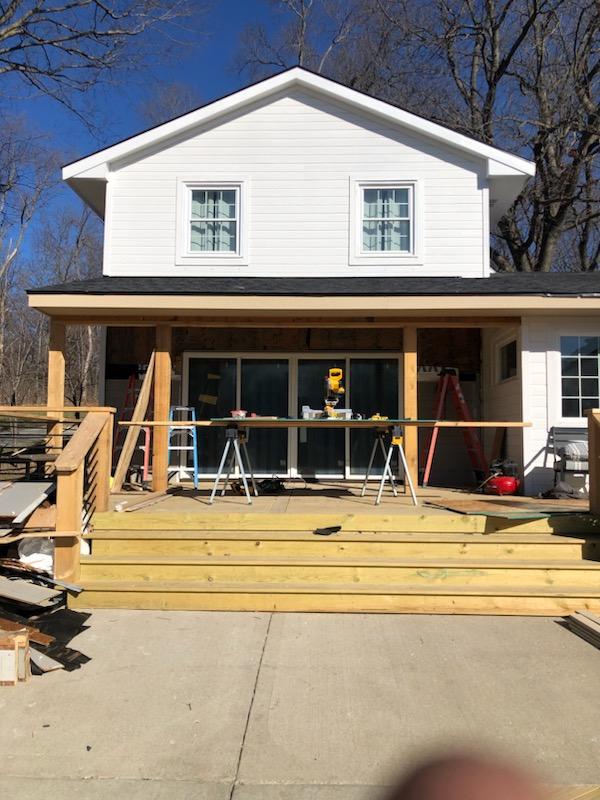
Finished detached golf simulator building exterior with siding and roofline matched to the main house in Kansas City
Finished detail — a building that reads as part of the property
Bare prefab metal shed dropped on a property with no power, insulation, or climate control
The kit alternative — a bare shell with no power, climate, or finish

Here's where this fits against the rest of what we do, so you can place yourself: this page is a new, detached structure built from the foundation up. If the work is inside your existing house, that's a custom design + build . If it's an existing garage, that's a garage conversion . If the house is still being built, it's new construction integration . A detached building is the right call when none of those have the space — or when you want the bay as its own structure.

What's Included

What building a detached structure includes.

A detached building is the whole job — the structure and the room inside it. Here's the order it runs in, from the site review to the day we calibrate.

Site plan and property survey marked with setbacks for a detached golf simulator accessory building in Kansas City
01

Site, zoning + permits

Before a shovel moves, we check the things that decide whether the building can go where you want it: setbacks, lot coverage, the max size for an accessory structure, and any HOA or architectural review. Rules vary by jurisdiction — we frame it honestly and handle the permitting.

Poured concrete slab and footing for a detached golf simulator building under construction
02

Foundation + slab

A building lives and dies on what it sits on. Depending on the site and the design, that's a poured slab on grade, a frost-protected footing, or a stem-wall foundation — sized for the structure and the climate, with the simulator's flat, level floor planned in from the first pour.

Framed shell and roof of a detached golf simulator building with siding matched to the main house
03

Shell — framing, roof, finish

Framing, roof, windows and doors, siding and trim — built and finished to match the main house so it reads as part of the property, not a bolt-on. Ceiling height is framed for full driver clearance from the start, because you can't add it later.

Trenched power and data conduit running from a house to a detached golf simulator building
04

Utilities — power, climate, data

This is the part a kit can't touch: running a dedicated power feed, HVAC or a mini-split for year-round climate, and hard-wired data out to a separate building. Trenching, conduit, and the licensed trades to do it right — so the room is comfortable and connected in January, not just July.

Finished interior of a detached golf simulator building with screen, turf, and even lighting
05

Interior + simulator install

Insulation, sound control, lighting, and finish inside — then the bay itself: enclosure, screen, projector, mat and turf, installed and squared. We calibrate last and don't leave until the numbers are right and the picture is true.

A detached building is the biggest residential version of what we do, so it isn't always the right one. If you've got a basement with the height, or a garage to give up, finishing space you already own is usually the cheaper path — a custom design + build or a garage conversion . Same crew, same standards, smaller job — and we'll tell you when that's the smarter move.

Detached golf simulator building mid-construction with framed walls and roof going up over a poured slab
Poured foundation and slab staged for a detached golf simulator building
Slab and foundation
Framed shell and roof of a detached golf simulator building with utilities being rough-in
Shell and utilities
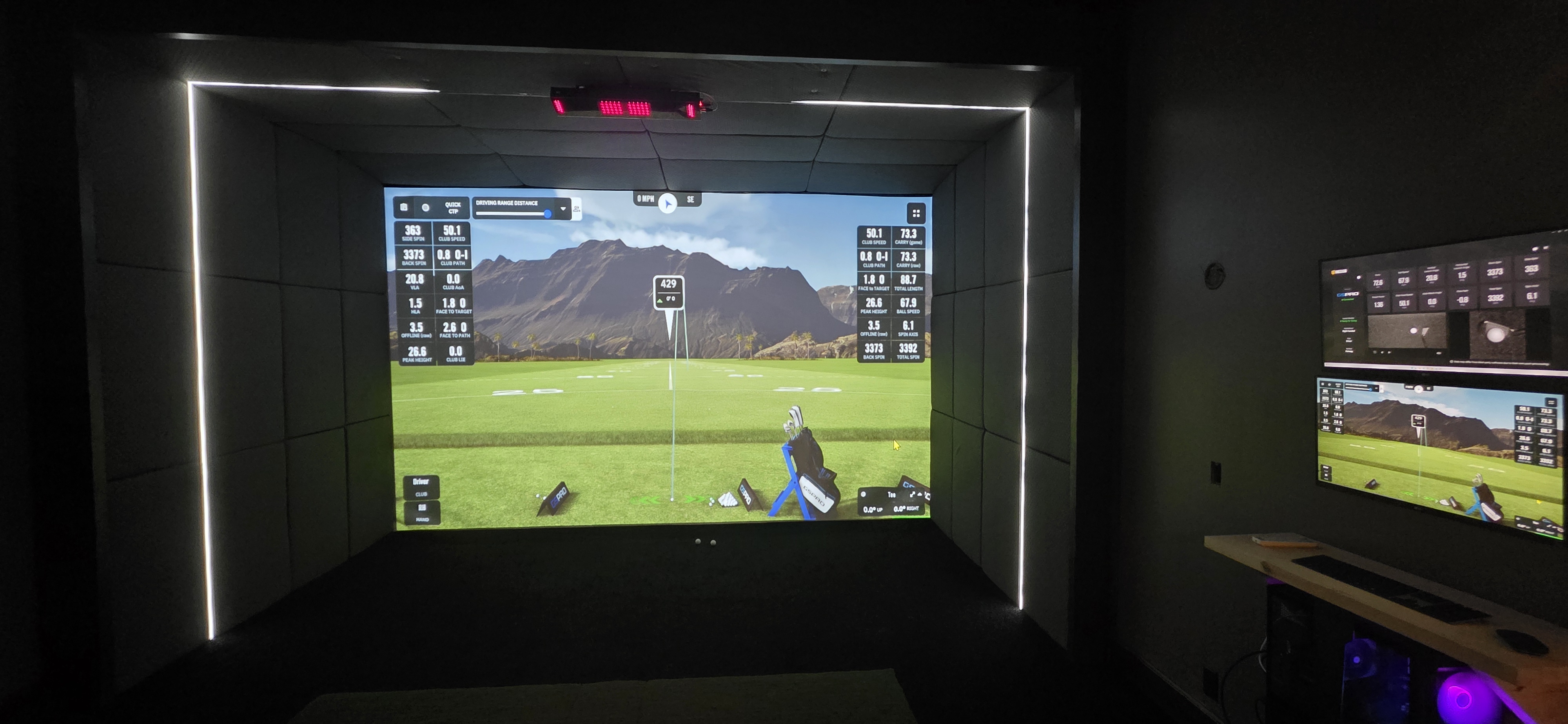
Finished and calibrated detached golf simulator building interior with screen and turf complete
Finished and calibrated

Construction First

A building from the slab up is the purest version of what we do.

Most simulator companies are AV people who picked up construction on the job. Ask one to build you a whole structure — foundation, framing, roof, a power feed trenched across the yard — and the conversation ends. We're the reverse. The father has been framing, finishing, and building Kansas City homes since 1995, spec and custom, from the footings up. A detached building is squarely our trade, not the part we sub to a stranger and hope.

That doesn't mean one person does everything. One team is accountable start to finish: we self-perform the construction craft — foundation prep, framing, finish, the simulator-specific work — and we manage the licensed trades for electrical, HVAC, and anything code requires. One company stands behind the whole structure. We build across the Kansas City metro , Columbia, and the Lake of the Ozarks, and the showroom is right here in south KC.

A detached building is the top of the residential ladder. If your space is already there — a basement, a garage, a room under construction — you may not need all of this, and we'll say so. We'd rather scope it right than sell you a building you didn't need.

Investment

Honest ranges, not a quote.

A detached building is the top residential tier — you're paying for a whole new structure, so the ranges sit above an interior build. The real number comes after a site visit, itemized with nothing buried. Most detached projects land in one of these three.

$80k–$120k

Single-Bay Accessory Building

A right-sized stand-alone structure for one bay — slab, shell, utilities run out, insulation, and a clean finished interior. A purpose-built golf building, not a multi-use space.

Most common

$120k–$200k

Multi-Use Building

A larger building that's a lounge, bar, office, or guest space with the bay as its centerpiece — more square footage, more finish, and the climate and plumbing a real room needs.

$200k+

Top-End / Livable Build

A fully finished building with the higher-end carpentry and equipment — and, if you want living quarters, the path toward an ADU. The structure becomes part of the property, not an outbuilding.

Those ranges cover the building — foundation, shell, utilities, and finish. The launch monitor is a separate line, settled last, after the room and the goal are clear: a strong system starts around $4k and runs past $40k at the top, with a Mevo+ near $1k before goal-based software. That spread says more about who spent what on advertising than about which unit reads your swing more accurately. Our honest launch monitor comparison breaks down the real differences, and financing in Kansas City can stretch the whole project over time.

Know your lot and ready to talk numbers?

Before You Commit

Stand in a finished room before you break ground on yours.

A detached building is a big construction decision, and renderings only tell you so much. The things that separate a good room from a great one — the trim, the screen tension, the lighting, how square it all sits — you can only judge in person. The bays at our showroom were built by the same crew that would build yours, so walking them tells you exactly what to expect.

  • Look at the finish work up close — trim, screen edge, how a room is actually built
  • Feel how a finished, climate-controlled room plays versus a photo of one
  • Hit balls on the brands we'd spec for a building like yours, so the equipment call is yours to make

All Seasons Indoor Golf Club, south Kansas City — open to the public, no appointment. Visit the showroom .

Drop By the Showroom
All Seasons Indoor Golf Club — our five-bay showroom, widescreen — see the finish quality up close before you build your own detached building

FAQ

Detached building questions.

01

Do I need a permit, and how do zoning and setbacks work?

+

Almost certainly yes — a new structure is a permitted build, and that's a good thing, because it means it's done to code and won't bite you at resale. The rules that decide where and how big it can be — setbacks from property lines, lot coverage limits, the maximum size for an accessory structure, and any HOA or architectural review — vary by jurisdiction across the Kansas City metro.

We do the site and zoning review up front and pull the permits as part of the job. If a setback or coverage rule changes what's possible, you hear it before you spend money, not after.

02

Is this an ADU (accessory dwelling unit)?

+

Not by default. As we build it, a detached golf simulator building is a non-dwelling accessory structure — a building with a bay, a lounge, maybe a bar or office, but no kitchen or full bathroom and no one living in it. That keeps the permitting and the cost simpler.

If you do want livable space — a guest suite or true living quarters — that's an ADU, which is a different category with its own rules, plumbing, and review. We can build toward that too; we'll just scope it honestly, because it changes the project.

03

How do you get power and heat or AC to a separate building?

+

This is the real differentiator versus a kit, and it's ordinary work for a construction company. We run a dedicated power feed from the house or panel — trenched and conduited to code — size the service for the equipment and the climate system, and bring in a licensed electrician to make the connections.

For heat and AC, a mini-split or a small dedicated HVAC system keeps the building comfortable year-round, which matters in a place that swings from January to August. We run data the same way, hard-wired, so the simulator isn't fighting a weak signal from across the yard.

04

What does a detached golf simulator building cost versus finishing a basement?

+

More, and it should — you're paying for a whole new structure, not finishing space you already own. A detached building starts around $80k for a single-bay structure and climbs from there with size, finish, and use, because the slab, shell, roof, and utilities are all new. Finishing an existing basement or converting a garage is usually the cheaper path to a bay.

You build detached when you don't have the interior space, want it separate from the house, or want a building that's its own thing. If the goal is just the cheapest way to a good bay, we'll point you at a basement or garage instead — that's the honest answer.

05

Can it be more than a golf room?

+

That's often the best reason to build one. Because it's a building of its own, it can be a lounge, a bar, a home office, or a guest space with the simulator as the centerpiece — designed around how you'd actually use it, not just where the screen goes.

A multi-use building needs more square footage, more finish, and usually real climate and a half-bath, so it costs more than a bare single-bay structure. But you end up with a room you live in, not a shed you visit to hit balls.

Not the right fit?

Still have questions?

Tell us your lot, your goal, and your budget, and we'll tell you honestly what it'll take.

A detached building is for when the space isn't already inside the house. If you've got the room, one of these is the better starting point:

Ready to build the room a building of its own?

Tell us about your lot, your goal, and your budget — or come stand in a finished build first. Either way, the next step is a conversation, not a contract.

All services